Vertigo & balance therapy
in Lafayette, LA.
One-on-one treatment for vertigo, dizziness and unsteadiness, including BPPV, vestibular rehab, balance testing and concussion care, led by a board-certified neurologic clinical specialist.
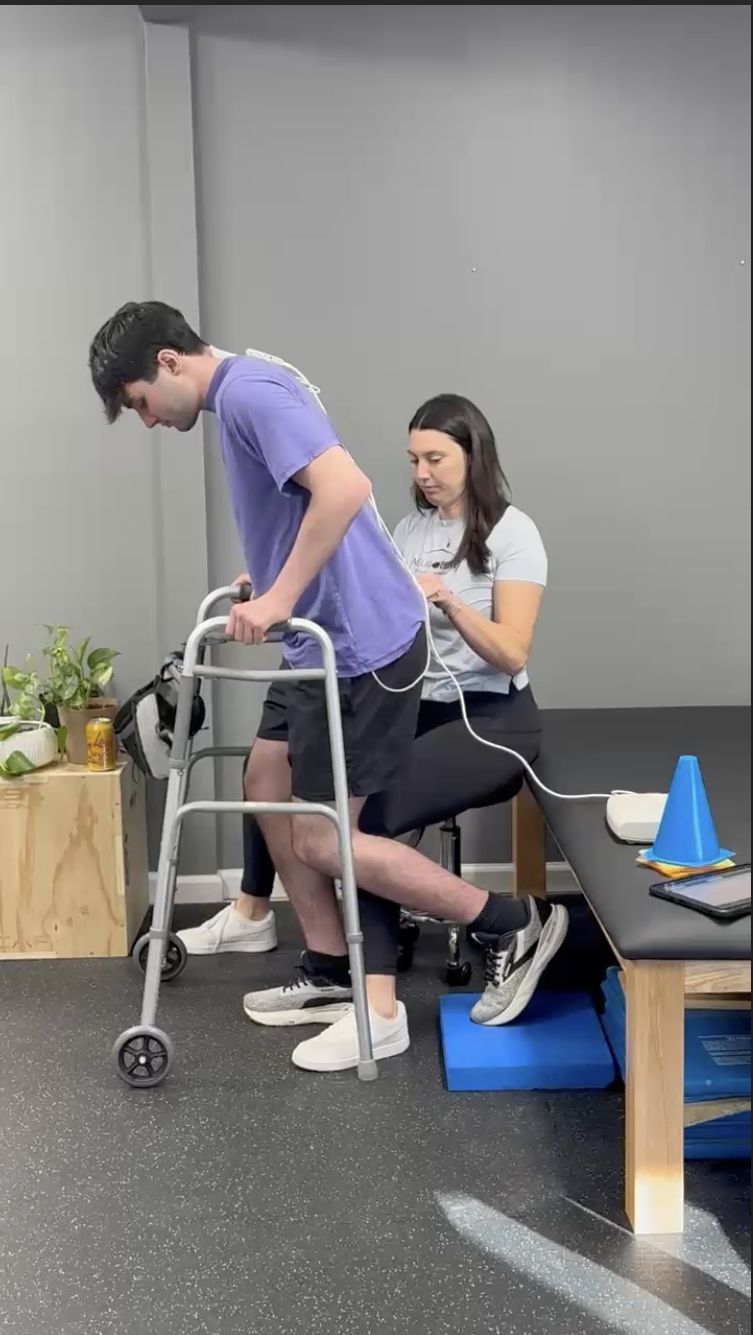
"Can physical therapy help with vertigo or dizziness?"
Yes. Many types of dizziness come from the inner ear (vestibular system) or from how the brain processes balance information, and both respond well to specialized physical therapy.
NeuroElite PT helps people with:
- BPPV (room-spinning vertigo when you roll over, lie down or look up)
- Inner ear problems such as vestibular neuritis or labyrinthitis
- Dizziness or imbalance after a concussion
- Dizziness linked to stroke, MS or other neurologic conditions
- Feeling unsteady, off balance or afraid of falling
- Recent falls or near-falls
When to call 911: sudden dizziness together with trouble speaking, weakness or numbness, vision loss, or a severe headache can be a sign of stroke and needs emergency care right away.
"What is BPPV, and how is it treated?"
Benign paroxysmal positional vertigo (BPPV) is one of the most common causes of vertigo. Tiny crystals in the inner ear move into the wrong place, causing brief, intense spinning when you change positions.
We use simple position tests to find which part of the inner ear is involved, then repositioning maneuvers to guide the crystals back where they belong. Many people feel much better within one to three visits.
"What does vertigo and balance therapy include?"
Every session is one-on-one with a Doctor of Physical Therapy, built around your goals. Depending on your needs, treatment may include:
- BPPV testing and repositioning maneuvers
- Vestibular rehabilitation exercises
- Gaze stabilization (keeping vision steady when you move)
- Motion sensitivity training
- Balance testing and fall-risk assessment
- Walking and balance training
- Concussion rehab and return to activity
- Strength training for steadier balance
- Home exercise programs
- Caregiver and family training
"What does balance and fall-risk testing involve?"
Your first visit includes standardized balance and walking tests that show how steady you are, what's causing the problem, and how your fall risk compares with others your age.
Balance depends on several systems working together: the inner ear, vision, sensation in your feet, and strength. Testing shows which ones need work, so your plan targets the real cause. We retest along the way so you can see your progress in numbers.
"Do you treat dizziness after a concussion?"
Yes. Dizziness, imbalance and sensitivity to busy places or screens are common after a concussion. Concussion rehab focuses on vestibular and balance training, steadying your vision with movement, and a gradual, guided return to work, school, sport and daily life.
We work with children, teens and adults, including student athletes getting back to their sport. Parents are welcome at every session.
"Why see a board-certified neuro specialist for dizziness?"
Dizziness can have many causes, and finding the right one is the key to treating it. Dr. Lauren Young is a board-certified neurologic clinical specialist (NCS), a credential that shows advanced training and experience with the brain, nervous system and balance. She also teaches continuing education courses for physical therapists nationwide.
If your dizziness comes with a neurologic condition such as stroke or Parkinson's or MS, your balance work can be part of one complete plan.
Frequently asked questions.
How many visits does it take to treat BPPV?
Many people with BPPV feel much better within one to three visits. Your first visit includes testing to find out which part of the inner ear is involved, so treatment can start right away.
Will treatment make me dizzy?
Some tests and exercises can briefly bring on dizziness. That's often part of how the brain adapts. We go at your pace and adjust the plan so it stays manageable.
Can you help if I'm not dizzy but feel unsteady?
Yes. Balance testing shows where the problem is coming from, whether that's strength, the inner ear, sensation in the feet, or vision. Your plan targets those areas to lower your risk of falling.
Do you accept Medicare?
Yes. NeuroElite PT accepts Medicare Part B. We also provide superbills for out-of-network insurance and accept cash pay and HSA cards. See insurance options →
Do you treat children after a concussion?
Yes. We work with children, teens and adults after a concussion, including student athletes getting back to their sport. Parents are welcome at every session.
Ready to feel
steady again?
Fill out the form and we'll get back to you. You can send over questions, tell us a little about your situation, or just let us know you'd like someone to call you. There's no obligation — we just want to make sure we're a good fit before you come in.
You can also reach us directly by phone or email anytime.